
We are SUVIDHA
SUVIDHA is a national development organisation working across 25 states for over 2 decades, committed to helping rural communities thrive through climate-smart agriculture, carbon mitigation programs, and natural resource management.
We design community-led solutions that restore soil, conserve water, reduce emissions powered by advanced tech-enabled global MRV systems.
Integrated with education and women-led livelihood programs, we ensure that our initiatives are not just sustainable but dignified, inclusive, and future-ready.
SUVIDHA, a movement that grew out of passion and grassroot experience with roots in Uttarakhand, has grown exponentially over the last 2 decades working in over 26 states.
Leveraging cutting-edge technology, we design high integrity and accountable community-led programs at the intersection of sustainable agriculture, climate adaptation, restoring natural resources and livelihoods.
Our programs contribute towards several SDGs including the ambitious goal of limiting global warming upto 1.5 degrees C.
Our Impact
We pioneered carbon mitigation in Northern India, installing 7,000+ biogas units, converting 285,587 acres to organic farming, and forming 1100 Self-Help Groups empowering farmers, women, and youth to build stronger, greener futures
Carbon Mitigated (Metric Ton)
Farmers Impacted (Farmers)
Firewood Saved (MT)
Organic Farm Area (Acre)
SHG's formed (No. of SHGs)
Students Impacted (Students)
Our
Pillars
of
Impact
01
Education
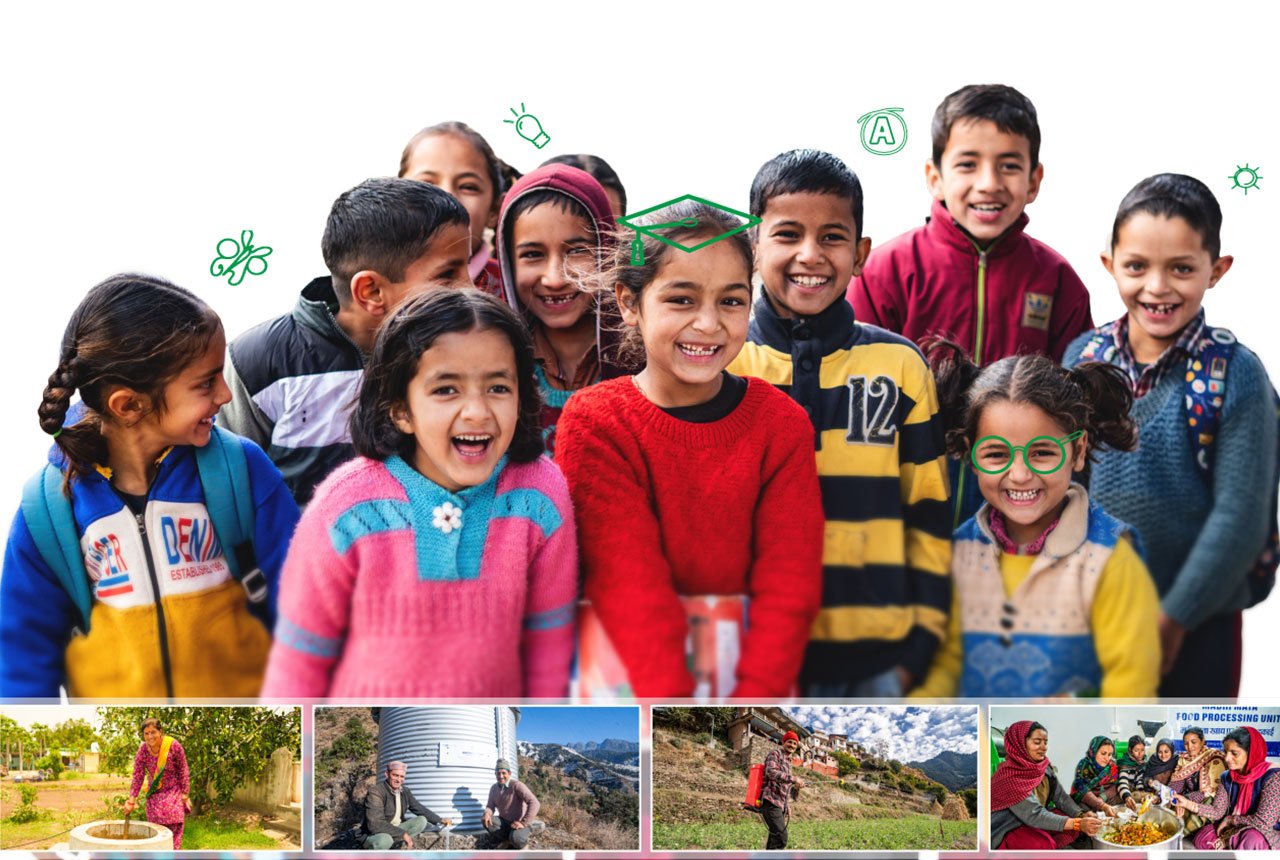
SUVIDHA strengthens access to quality education by creating safe, inclusive, and child-friendly learning environments. Through school infrastructure development, digital learning, improved sanitation, and better educational resources, we empower children and adolescents with the knowledge, skills, and opportunities they need to succeed and build a brighter future.
Read More02
Livelihood & Women Empowerment
SUVIDHA promotes sustainable livelihoods and women’s empowerment by creating income-generating opportunities, strengthening community institutions, and building entrepreneurial skills among rural hou
Read More03
Natural Resource Management (NRM)
SUVIDHA strengthens rural resilience through integrated Natural Resource Management by conserving water, restoring ecosystems, promoting sustainable land use, and improving community access to natural resources. Our interventions enhance agricultural productivity, biodiversity, climate resilience, and sustainable livelihoods while ensuring long-term environmental sustainability.
Read More04
Climate Change Programs & Carbon Mitigation
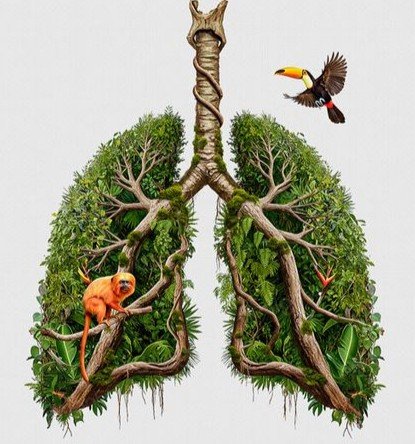
SUVIDHA is committed to building climate-resilient rural communities by promoting low-carbon technologies, renewable energy, ecosystem restoration, and community-led climate action. Through integrated climate mitigation and adaptation initiatives, the organization reduces greenhouse gas emissions, strengthens livelihoods, conserves natural resources, and empowers vulnerable communities to adapt to the growing impacts of climate change.
Read More05
Climate-Smart Agriculture (Sustainable Agriculture)
SUVIDHA promotes Climate-Smart Agriculture (CSA) by supporting farmers to adopt sustainable and resilient farming practices that improve productivity while conserving natural resources
Read More
When
technology meets
sustainability.
rural challenges requires both human connection and smart innovation.
GIS-Enabled Climate Action Monitoring Platform
A secure, cloud-based GIS dashboard that tracks, monitors, and reports climate interventions in real time to strengthen data-driven decision-making and impact measurement.
Integrated Project Monitoring Solutions
Utilizing advanced technologies to ensure real-time oversight and management of all our projects, ensuring efficiency and effectiveness.
Our Climate Initiative Impact
How do we build a resilient community?
In the remote hills of Chamba district in Himachal Pradesh, opportunities for women to earn an independent livelihood have traditionally been limited. For many women in Kiri Panchayat, life revolved
Agriculture in Punjab has been synonymous with the wheat-paddy cycle. While this traditional cropping pattern has sustained generations of farmers, it has also brought growing challenges in the form
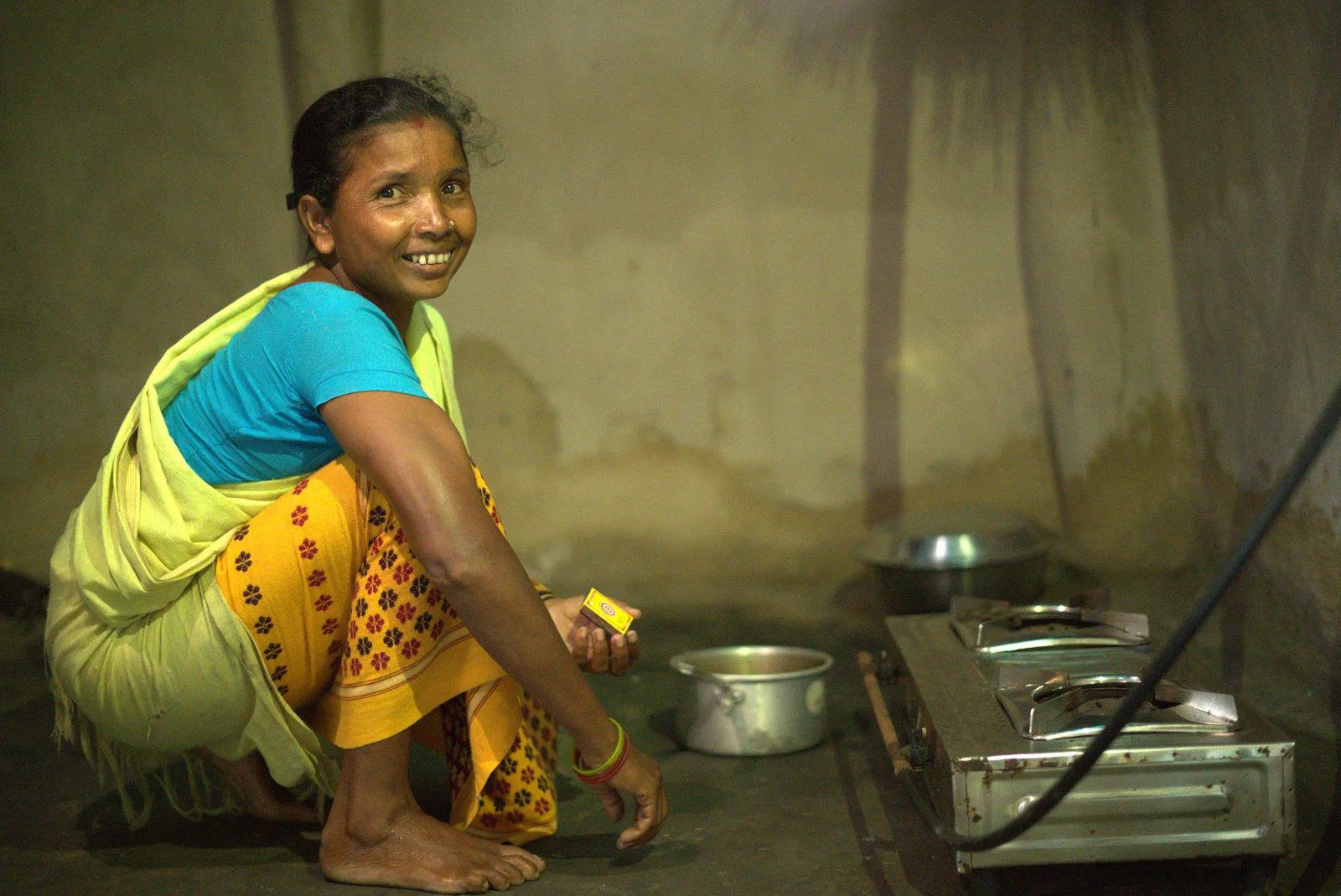
In the rural village of Lahong Bebejia in Assam's Jorhat district, 43-year-old Anika Gogoi has spent years balancing multiple responsibilities. As an Anganwadi Helper, farmer, and member of the Amrit


Be part of 50+ supporters creating sustainable change