
Sakhi: Reclaiming Dreams, Building Futures
In the remote hills of Chamba district in Himachal Pradesh, opportunities for women to earn an independent livelihood have traditionally been limited. For many women in Kiri Panchayat, life revolved
In the remote hills of Chamba district in Himachal Pradesh, opportunities for women to earn an independent livelihood have traditionally been limited. For many women in Kiri Panchayat, life revolved around household responsibilities, with little scope to transform their skills into a source of income. While talent and determination existed, the absence of resources, infrastructure, and market access kept aspirations out of reach.
Among these women was Radha, a young married woman in her early twenties. Before marriage, she had learned basic beautician skills from a local trainer in Chamba and dreamed of building a career around them.
However, after relocating to her marital home, those dreams slowly faded into the background. Like many women in her village, she occasionally helped neighbours with beauty services, but without a formal platform or income, her skills remained underutilized. Over time, the lack of opportunities affected not only her earning potential but also her confidence.
The situation was not unique to Radha. Several women in Kiri Panchayat possessed tailoring, beauty, and entrepreneurial skills, yet they lacked the tools, workspace, and financial support needed to convert those abilities into sustainable livelihoods. The geographical isolation of the region further restricted access to markets, training centres, and employment opportunities, leaving many women economically dependent despite their capabilities.
Bringing Change
Recognizing this gap, SUVIDHA, through the Prerna Centre established in collaboration with SBI Foundation under the Gram Seva Program, began engaging with local women to understand their aspirations and challenges. A detailed assessment revealed that while skill development initiatives had equipped women with technical knowledge, the absence of a structured livelihood platform prevented them from putting those skills into practice. There was a growing risk that years of learning and potential would be lost, while financial dependency continued to limit women's agency and decision-making power.
To address these challenges, the Sakhi Beauty Parlour and Stitching Centre was established as a women-led enterprise in Kiri Panchayat. The initiative brought together seven women, including Radha, under a collective model designed to encourage shared ownership and mutual support. SBI Foundation provided essential equipment, furniture, beauty and tailoring supplies, while SUVIDHA facilitated entrepreneurship training, business management guidance, and continuous mentoring.
The intervention was carefully designed to address both practical and social barriers. Women received access to a dedicated workspace where they could offer beauty services and undertake tailoring assignments professionally. Regular handholding support helped them navigate operational challenges, build customer relationships, and gain confidence in managing a business. Community engagement efforts also played an important role in encouraging local acceptance and increasing awareness about the services offered by the women.
The transformation that followed was remarkable.
Before the intervention, most of the women were confined to unpaid domestic roles, with little or no contribution to household income. Their skills existed, but there was no mechanism to translate them into economic opportunities. Today, the Sakhi Centre has become a vibrant livelihood hub where women provide beauty services, undertake stitching orders, manage inventory, maintain accounts, and interact confidently with customers.
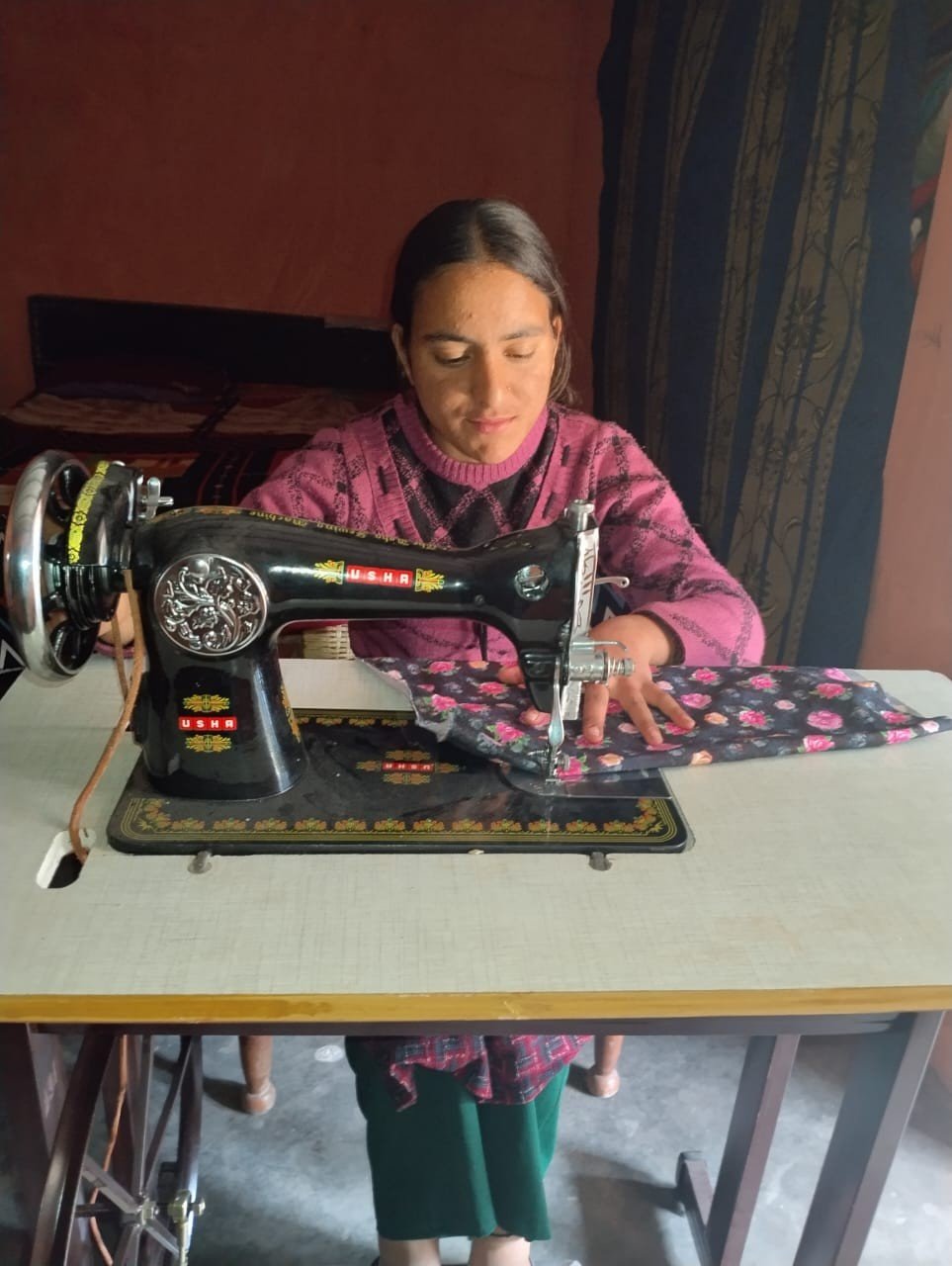
Between January 2024 and March 2026, the enterprise generated a combined income of ₹22,570. Participating women experienced an average monthly income increase of more than 50 percent, creating a steady source of earnings that strengthened their financial position within their households. More importantly, they began contributing to family expenses, supporting children's needs, and making independent financial decisions.
For Radha, the change has been deeply personal. The skills that once lay dormant have now become the foundation of her renewed professional identity. She is no longer someone whose aspirations were interrupted by circumstance; she is now an entrepreneur, earning with dignity and inspiring other women in her community to pursue their own ambitions.
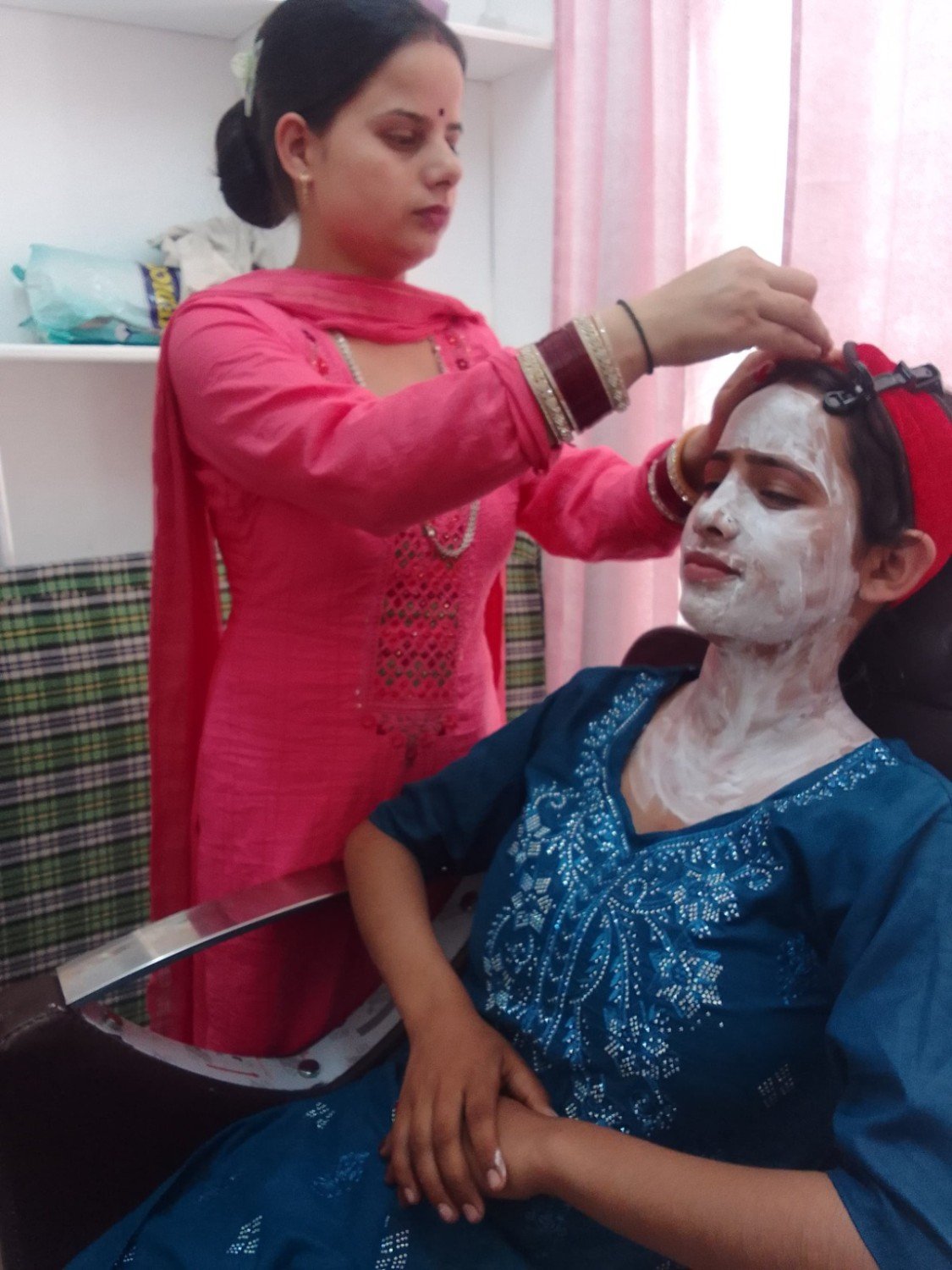
The impact of Sakhi extends beyond income generation. It has fostered confidence, leadership, and collective strength among women who once hesitated to step into public-facing roles. The group now independently manages operational expenses, procures supplies, and oversees daily activities, demonstrating ownership and accountability. Their journey has also encouraged women from neighbouring villages to explore similar livelihood opportunities, creating a ripple effect across the region.
Looking ahead, the future of the initiative appears promising. The women have established a sustainable model built on local demand, affordable products, and shared responsibility. Plans to diversify services through bridal makeup offerings, seasonal tailoring work, and grooming workshops for adolescent girls are expected to create additional income streams. Encouraged by its success, SUVIDHA and SBI Foundation see the Sakhi model as a scalable approach that can be replicated in other rural communities.
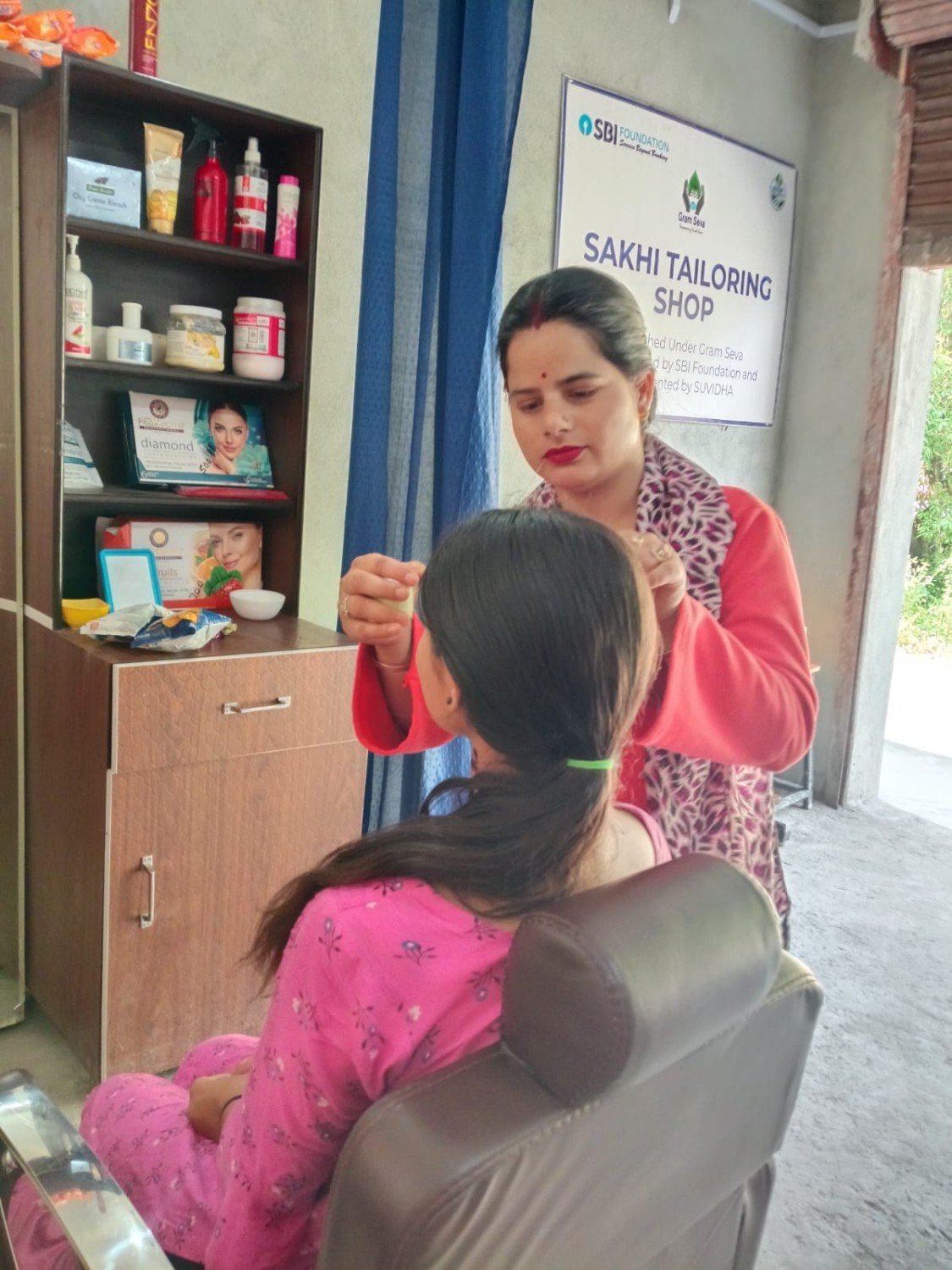
The story of Sakhi is a reminder that empowerment begins when skills are matched with opportunity. For Radha and the six other women of Kiri Panchayat, the initiative did more than create a livelihood, it restored confidence, revived aspirations, and opened doors to a future shaped by self-reliance and possibility. What began as a small intervention has become a powerful example of how the right support at the right time can transform lives and communities alike.
Related Blogs
Smt. Thapi Devi resides in a village Sundungra located in Uttarakhand, India. She is an abandoned woman. Smt. Thapi Devi has a mentally challenged daughter. She used to work as a daily wage and made
In today's rapidly changing world, the term "carbon footprint" has become a buzzword, and for good reason. The carbon footprint of an individual, organization or even a product reflects the total amo
Teachers truly are the backbone of society. They are role models to children; they offer guidance and dedication to young minds. As mentors, they can form students into future leaders who then form t
In the quiet village of Samraj in Khargone district, Madhya Pradesh, life revolved around the rhythms of agriculture for Rekha Patel and her family. At 35, Rekha shared a modest home with her husband
In rural India, countless individuals possess the skills, determination, and ambition to improve their lives. Yet, many remain unable to move beyond subsistence livelihoods due to limited access to r