
A New Harvest of Opportunity: How Crop Diversification Transformed Farming for Pradeep Kumar
Agriculture in Punjab has been synonymous with the wheat-paddy cycle. While this traditional cropping pattern has sustained generations of farmers, it has also brought growing challenges in the form
Agriculture in Punjab has been synonymous with the wheat-paddy cycle. While this traditional cropping pattern has sustained generations of farmers, it has also brought growing challenges in the form of declining groundwater levels, rising cultivation costs, and shrinking profit margins. For many small and marginal farmers, the need for a more sustainable and profitable alternative has become increasingly urgent.
Pardeep Kumar, a 38-year-old farmer from Village Tofapur in Dera Bassi, Punjab, understood these challenges all too well. Owning nearly three acres of agricultural land, he relied entirely on farming to support his family. Like most farmers in the region, he cultivated wheat and paddy year after year. Although the practice was familiar and widely accepted, it offered limited financial returns. Increasing input costs and unpredictable market conditions made it difficult for him to improve his family's standard of living.
Beyond financial concerns, Pardeep was becoming increasingly worried about the environmental impact of his farming practices. Paddy cultivation required frequent irrigation, placing immense pressure on already declining groundwater reserves. He knew change was necessary, but lacked the technical knowledge, confidence, and exposure needed to explore alternatives.
The Intervention
This situation began to change through the Krishak Kranti initiative by PRIF and implemented by SUVIDHA, as part of its efforts to promote sustainable agriculture and climate-resilient farming practices, the project organized capacity-building programs and awareness sessions for farmers across project villages. During one such training program in Tofapur, Pardeep was introduced to the concept of crop diversification and learned about the economic and environmental benefits of shifting away from water-intensive crops.
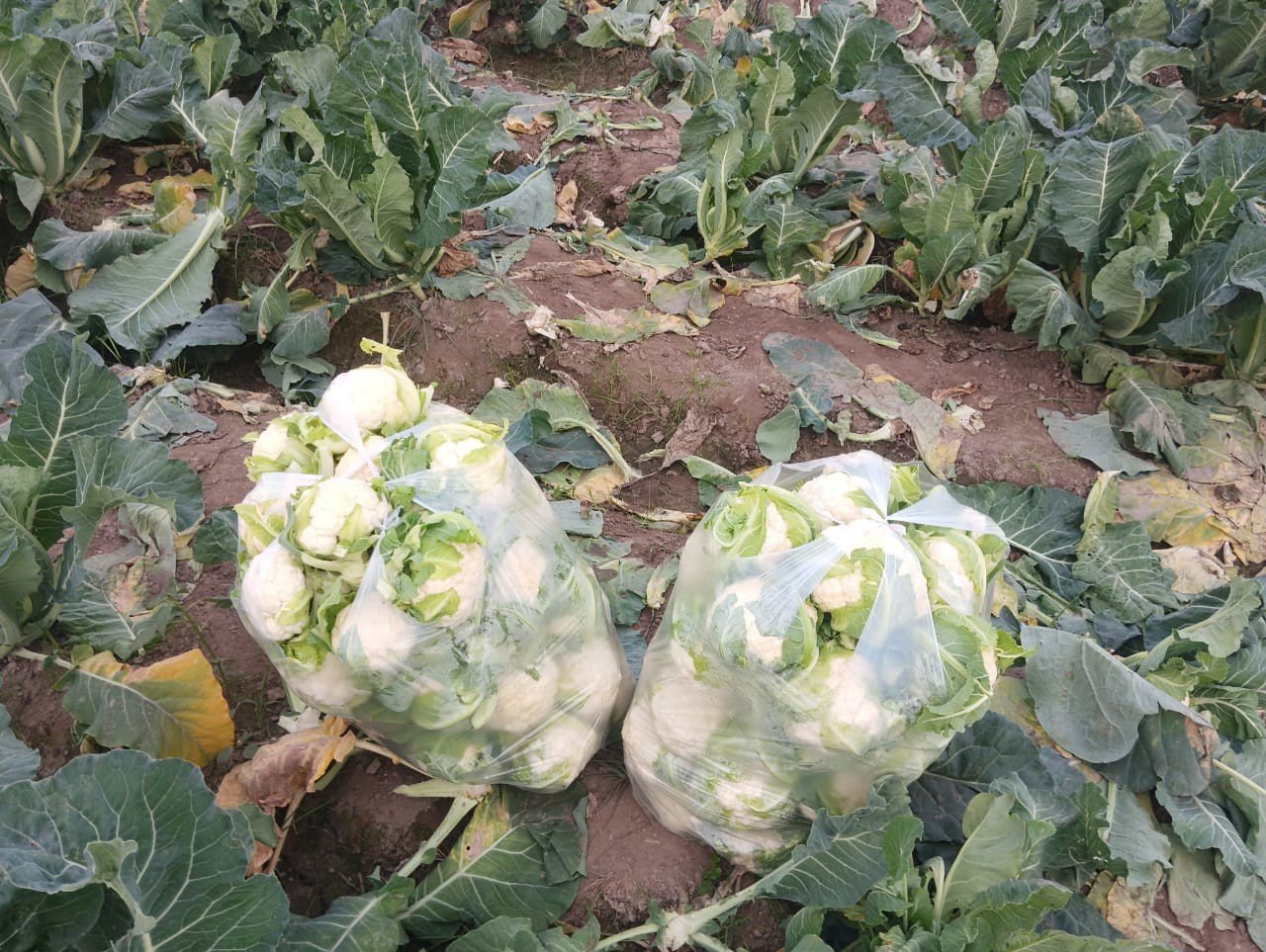
The discussions on sustainable farming, efficient water management, and alternative crop options sparked his interest. Recognizing his willingness to experiment and adopt new practices, the project team provided continuous technical guidance and support. In August 2025, Pardeep received quality cauliflower seeds along with practical training on nursery raising, crop management, organic nutrient application, and integrated pest management. Through field demonstrations and regular handholding support, he gained the confidence to venture into cauliflower cultivation for the first time.
The intervention addressed several barriers that had previously prevented him from making a transition. Access to quality planting material, technical knowledge, and continuous advisory support enabled him to adopt improved farming practices successfully. More importantly, it reduced his dependence on monocropping and opened new opportunities for increasing farm income while conserving natural resources.
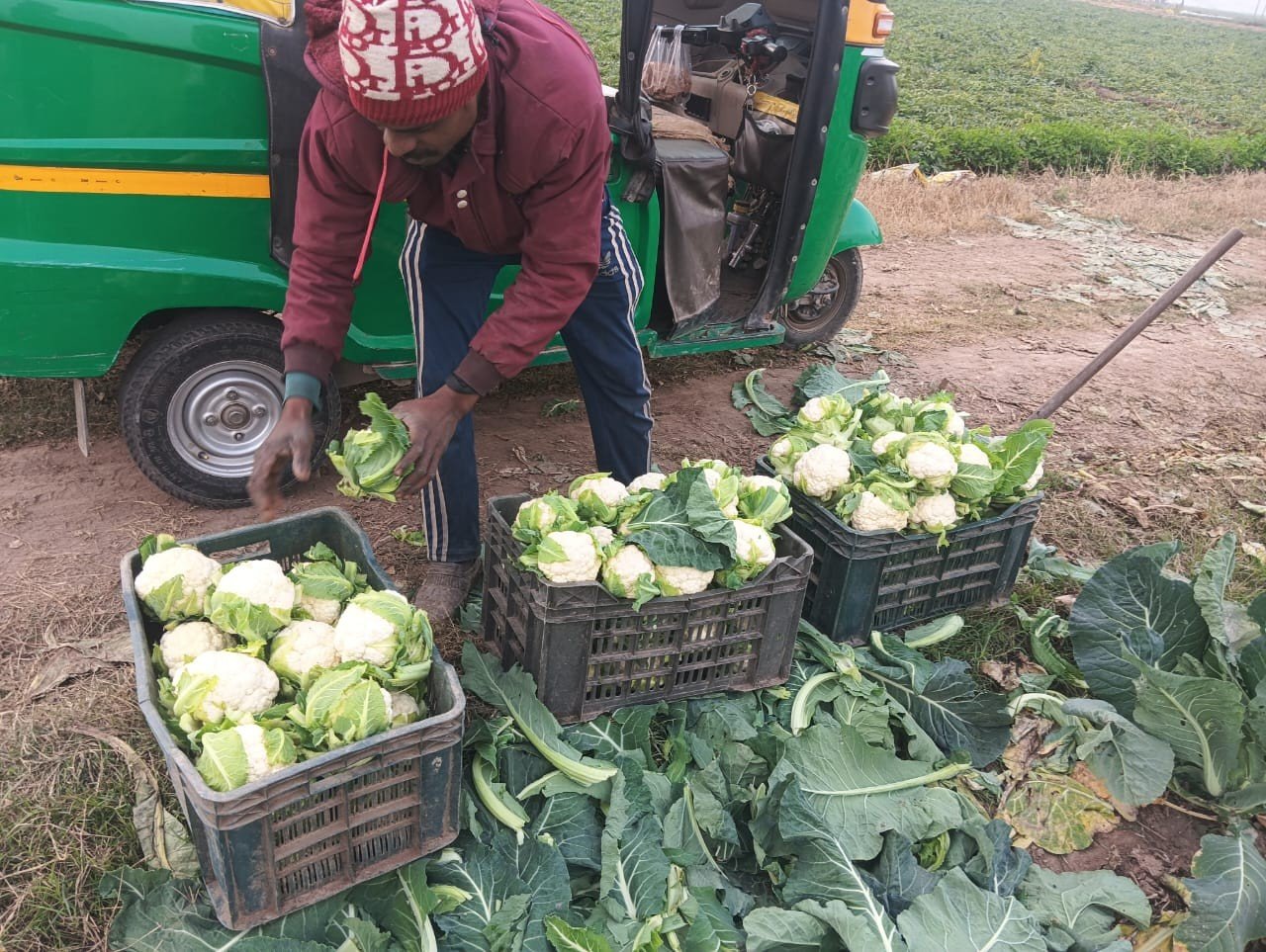
With the support of the project, Pardeep established a cauliflower nursery on his farm and adopted sustainable cultivation practices. He followed recommended spacing techniques, used Farm Yard Manure and Jeevamrit for nutrient management, and relied on neem oil for crop protection. Unlike his earlier paddy cultivation methods, which involved heavy use of chemical fertilizers and pesticides, the new approach emphasized organic and environmentally friendly practices.
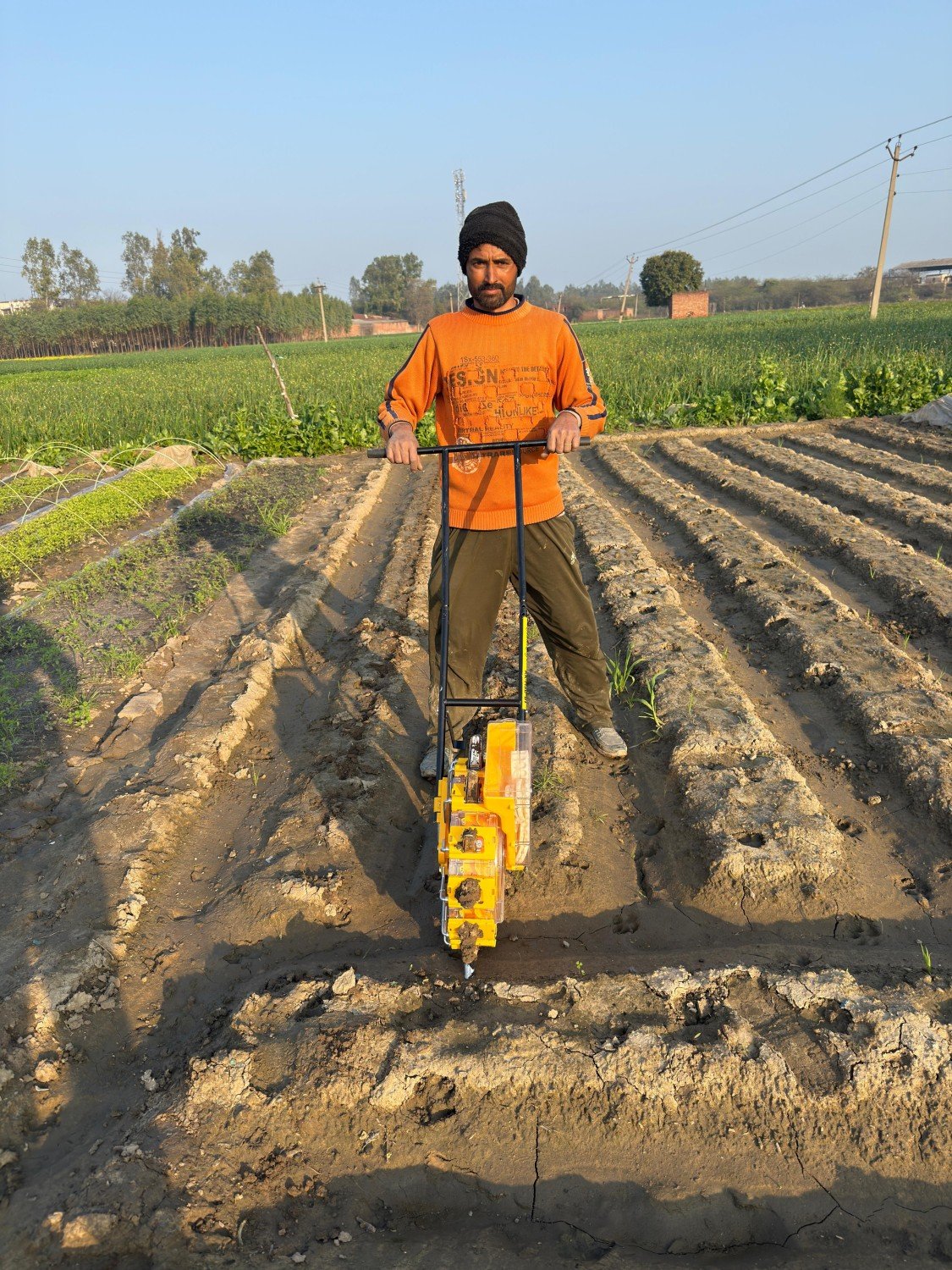
The Impact
The results were remarkable. While paddy cultivation generated a gross income of approximately ₹35,000 with a net profit of ₹28,000, cauliflower cultivation nearly doubled his gross income to ₹70,000 and increased his net profit to ₹50,000. At the same time, his dependence on chemical fertilizers was eliminated, and the number of irrigations required was significantly reduced. The shift not only improved his earnings but also contributed to water conservation and healthier soil management.
The transformation extended beyond financial gains. Pardeep developed a deeper understanding of sustainable agriculture and became more confident in making informed farming decisions. He learned the importance of maintaining crop records, monitoring field conditions, and adopting climate-resilient farming practices. What once seemed like a risky experiment evolved into a successful model of agricultural diversification.
Today, Pardeep's journey serves as an inspiring example of how the right knowledge, resources, and support can empower farmers to embrace change. His experience demonstrates that crop diversification is not merely an alternative farming practice, it is a pathway toward increased income, improved resource management, and long-term agricultural sustainability.
Through initiatives like these, SUVIDHA continues to empower farmers with the tools and confidence needed to build resilient livelihoods. As more farmers witness the benefits of diversification and sustainable agriculture, stories like Pardeep's have the potential to inspire a broader transformation across rural communities, creating a future where farming is both profitable and environmentally responsible.
Related Blogs
Smt. Thapi Devi resides in a village Sundungra located in Uttarakhand, India. She is an abandoned woman. Smt. Thapi Devi has a mentally challenged daughter. She used to work as a daily wage and made
In today's rapidly changing world, the term "carbon footprint" has become a buzzword, and for good reason. The carbon footprint of an individual, organization or even a product reflects the total amo
Teachers truly are the backbone of society. They are role models to children; they offer guidance and dedication to young minds. As mentors, they can form students into future leaders who then form t
In the quiet village of Samraj in Khargone district, Madhya Pradesh, life revolved around the rhythms of agriculture for Rekha Patel and her family. At 35, Rekha shared a modest home with her husband
In rural India, countless individuals possess the skills, determination, and ambition to improve their lives. Yet, many remain unable to move beyond subsistence livelihoods due to limited access to r