Biogas and Beyond: Improving Lives Through Sustainable Energy
In the rural village of Lahong Bebejia in Assam's Jorhat district, 43-year-old Anika Gogoi has spent years balancing multiple responsibilities. As an Anganwadi Helper, farmer, and member of the Amrit
In the rural village of Lahong Bebejia in Assam's Jorhat district, 43-year-old Anika Gogoi has spent years balancing multiple responsibilities. As an Anganwadi Helper, farmer, and member of the Amrit Jyoti Self-Help Group, she plays a vital role in supporting her family and community.
Living in a seven-member joint family, Anika and her household relied primarily on agriculture and livestock rearing for their livelihood. Despite cultivating nearly eight bighas of land and raising cattle, pigs, goats, and poultry, the family's monthly income remained modest, making it challenging to manage household expenses and invest in improving their quality of life.
Like many rural households, Anika's family depended on a traditional firewood-based chulha for cooking. Every day, significant time and effort were spent collecting firewood and managing fuel needs.
The smoke-filled kitchen exposed the women of the household to constant eye irritation and breathing discomfort, while indoor air pollution became an unavoidable part of daily life. The burden was particularly heavy on Anika and her daughter-in-law, Junmoni Chutia, who managed most household responsibilities alongside her weaving work. Junmoni dreamed of joining a uniformed service and had narrowly missed selection in a previous recruitment process.
However, the demands of cooking, firewood collection, and household chores left little time to prepare for future opportunities.
The Turning Point
Things changed when Anika participated in awareness sessions, Self-Help Group meetings, and Village Development Committee consultations organized under the Holistic Rural Development Programme (HRDP), by HDFC Bank Parivartan and implemented by SUVIDHA.
During discussions on renewable energy and sustainable farming practices, she learned about the potential of biogas technology. Interested in finding a long-term solution for her household, she approached the project team for support.
A detailed assessment confirmed that the family was well suited for a household biogas unit. Their livestock resources provided a regular supply of cattle dung, which until then had not been utilized efficiently. Recognizing the opportunity to convert this readily available resource into clean energy, SUVIDHA facilitated the installation of a Deen Bandhu Biogas Unit.
The unit was constructed in December 2025 and became operational in April 2026 after testing, curing, and beneficiary training. Alongside the installation, the family received guidance on operating the system, maintaining it, and using the bio-slurry generated as an organic input for agriculture.
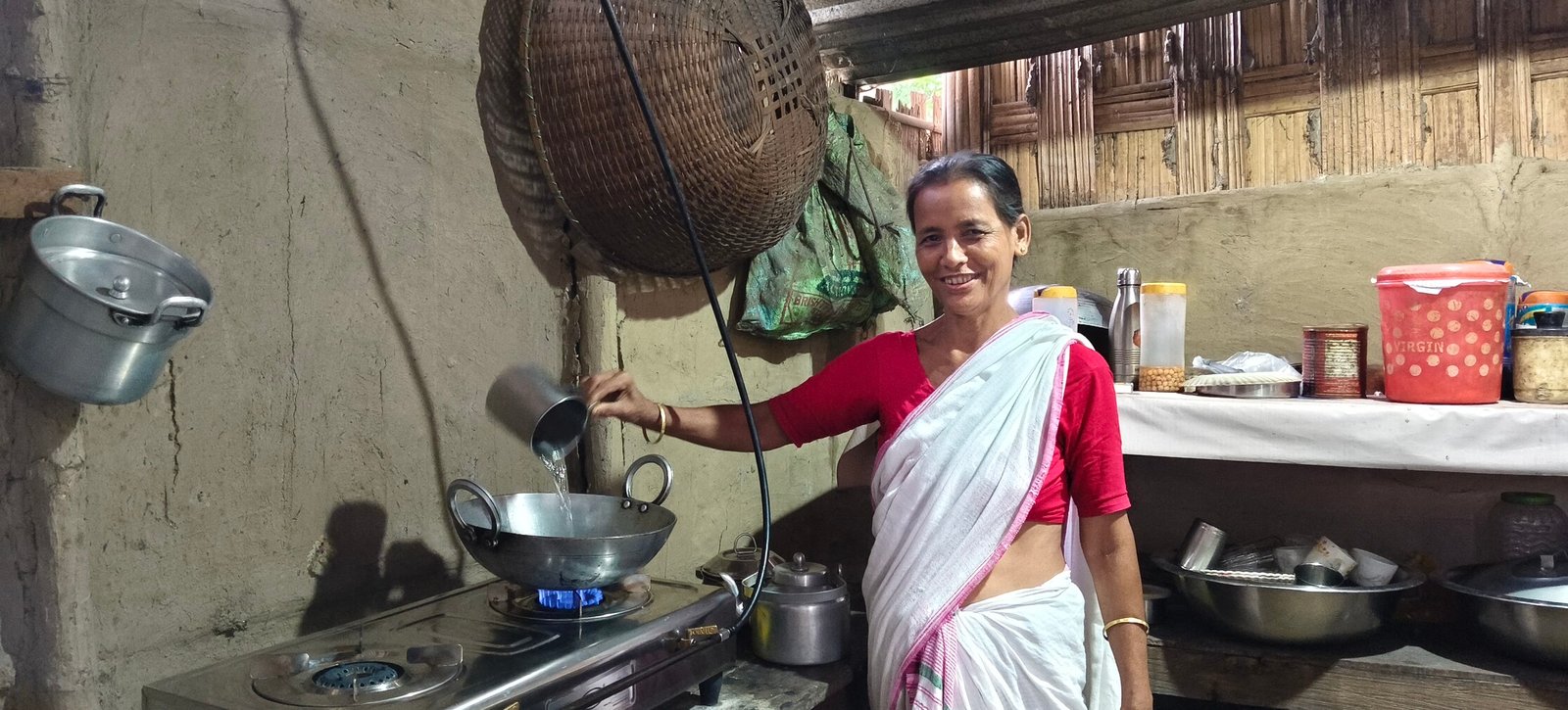
The transformation was visible within a short period. The family no longer depended on firewood as their primary cooking fuel and gained access to a reliable, clean energy source for preparing meals. The kitchen, once clouded with smoke, became a healthier and more comfortable space.
Cooking time reduced significantly, allowing household members to focus on other productive activities rather than spending hours managing fuel and preparing meals
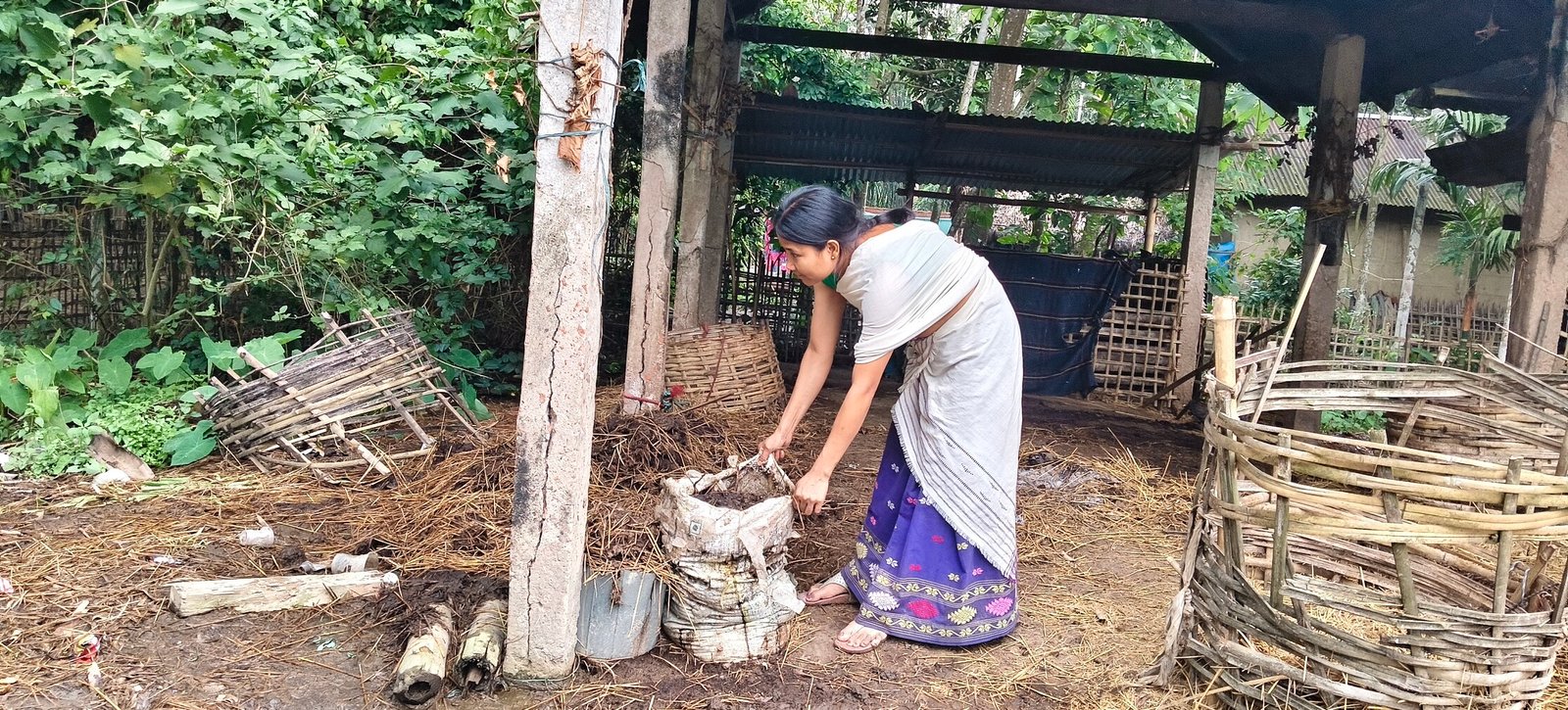
The intervention also changed how the family viewed and utilized their livestock resources. Approximately 15 kilograms of cattle dung are now fed into the biogas unit every day, turning waste into value.
The resulting bio-slurry is used in vegetable cultivation, including potato, tomato, cowpea, bitter gourd, colocasia, and seasonal greens. This has strengthened the family's farming practices while promoting better use of natural resources.
The Visible Change and Impact
Perhaps the most meaningful impact has been the reduction in drudgery for the women of the household. The elimination of daily firewood collection and shorter cooking times have freed up valuable hours each day.
For Junmoni, this has created an opportunity to focus on weaving and dedicate time to physical training as she continues to pursue her aspiration of joining a uniformed service. What began as an energy intervention has gradually become an enabler of personal growth, improved well-being, and greater confidence within the family.
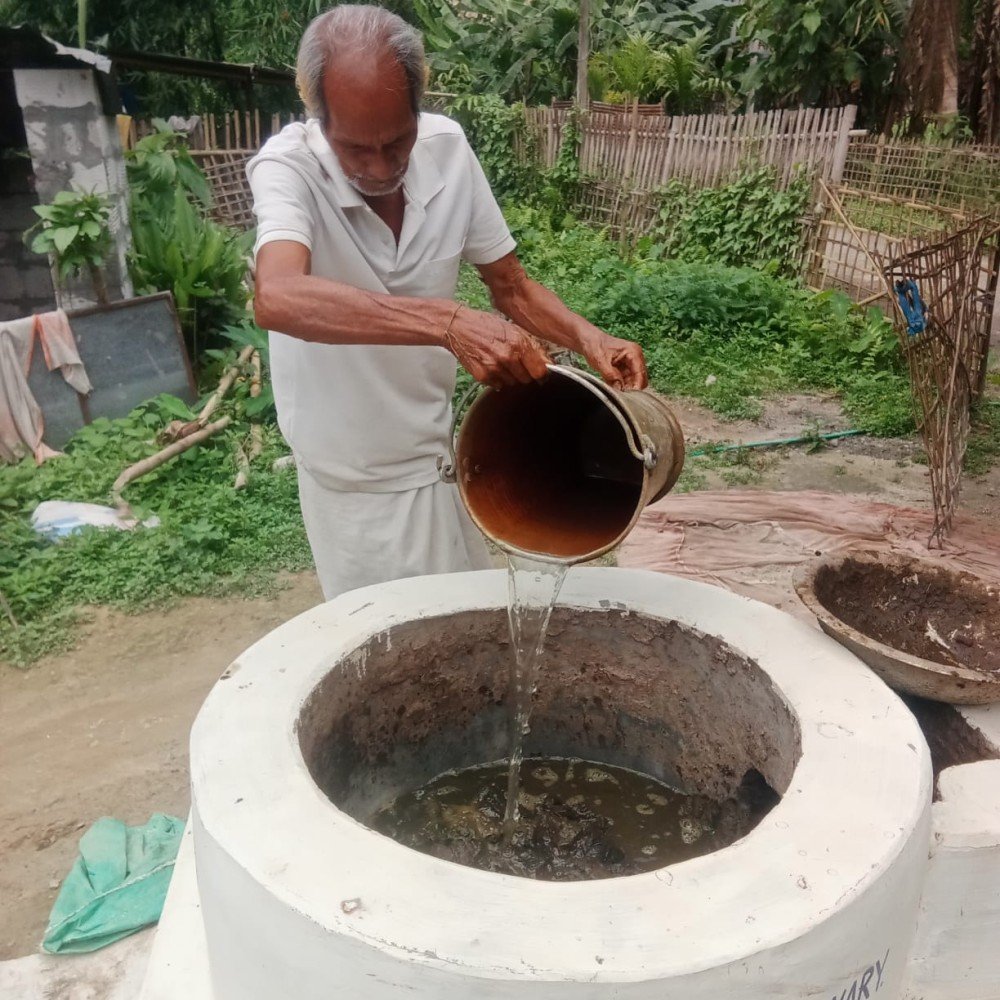
Beyond the household, the success of the biogas unit has sparked curiosity among neighbouring families. Initial misconceptions that food cooked on biogas would have an unpleasant smell or taste were quickly dispelled when community members witnessed the system in operation and experienced the results themselves. Today, many villagers visit Anika's home to learn about the technology and explore how similar solutions could benefit their own households.
Anika's story demonstrates how sustainable rural development is often driven by simple yet practical interventions that address everyday challenges. By converting livestock waste into clean energy and organic manure, the biogas unit has improved health, reduced labour, strengthened agricultural practices, and created opportunities for the women of the household.
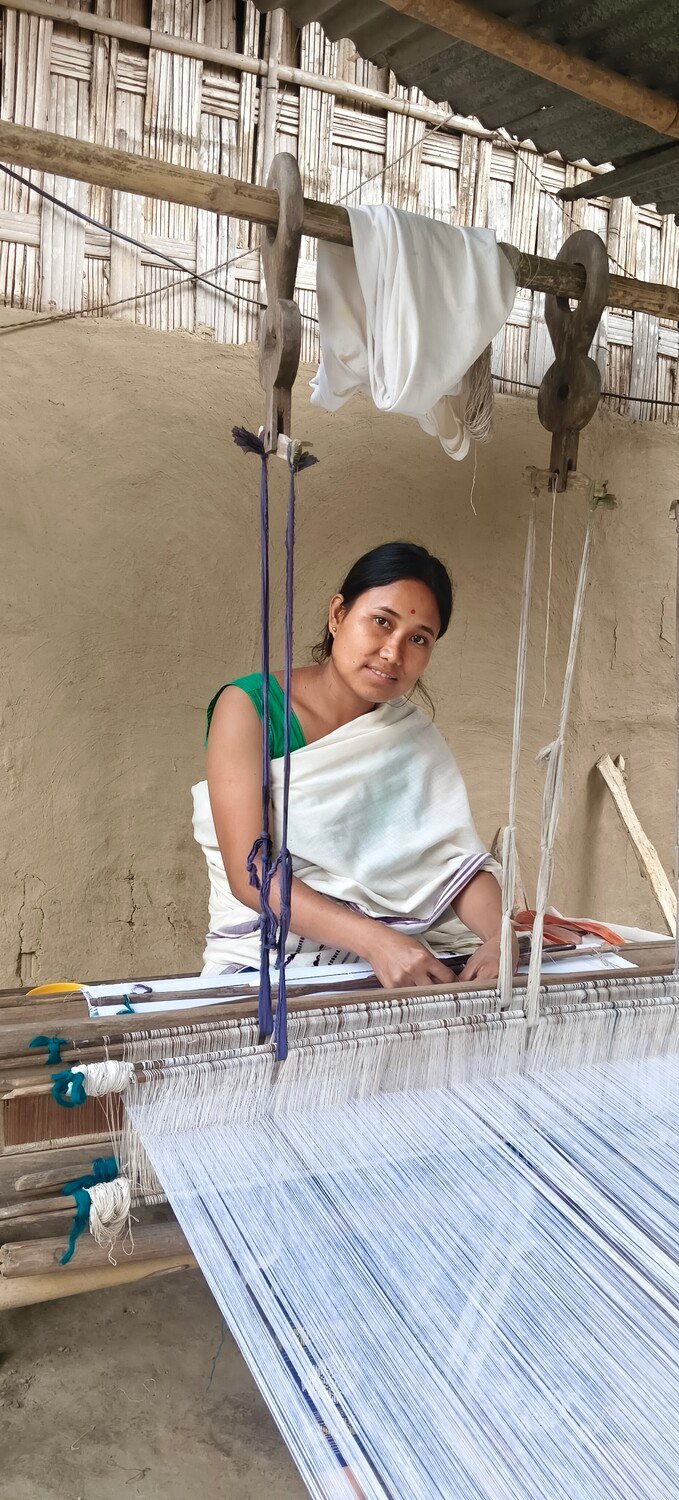
The journey of Anika Gogoi and her family is a powerful reminder that development is not only about infrastructure or technology, it is about creating opportunities, reducing burdens, and enabling people to pursue a better future with dignity and confidence.
Related Blogs
Smt. Thapi Devi resides in a village Sundungra located in Uttarakhand, India. She is an abandoned woman. Smt. Thapi Devi has a mentally challenged daughter. She used to work as a daily wage and made
In today's rapidly changing world, the term "carbon footprint" has become a buzzword, and for good reason. The carbon footprint of an individual, organization or even a product reflects the total amo
Teachers truly are the backbone of society. They are role models to children; they offer guidance and dedication to young minds. As mentors, they can form students into future leaders who then form t
In the quiet village of Samraj in Khargone district, Madhya Pradesh, life revolved around the rhythms of agriculture for Rekha Patel and her family. At 35, Rekha shared a modest home with her husband
In rural India, countless individuals possess the skills, determination, and ambition to improve their lives. Yet, many remain unable to move beyond subsistence livelihoods due to limited access to r