
A Journey Towards Quality Education at Government Higher Secondary School Marapatti, Kathua, Jammu
For the students of Government Higher Secondary School Marapatti in Kathua, Jammu & Kashmir, school was a place of learning, but one that struggled with several basic challenges.
For the students of Government Higher Secondary School Marapatti in Kathua, Jammu & Kashmir, school was a place of learning, but one that struggled with several basic challenges. Damaged classroom walls, non-functional toilets, limited access to safe drinking water, and the absence of modern teaching facilities affected the overall learning experience.
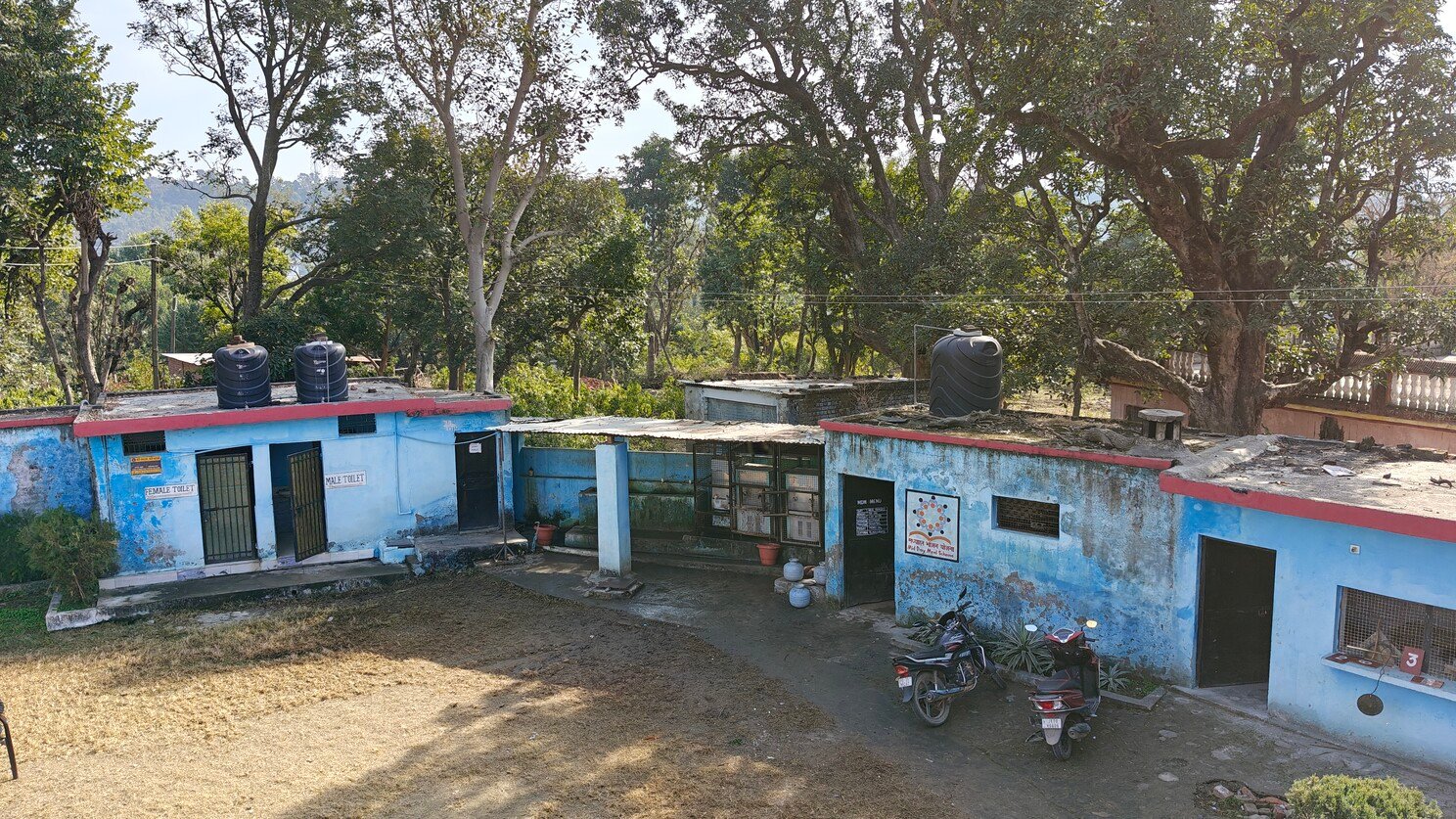
During the hot summer months, students had to rely on warm tap water, while the poor condition of sanitation facilities created difficulties, particularly for girl students. Learning remained largely confined to traditional classroom methods, as students had never experienced digital education through smart classrooms.
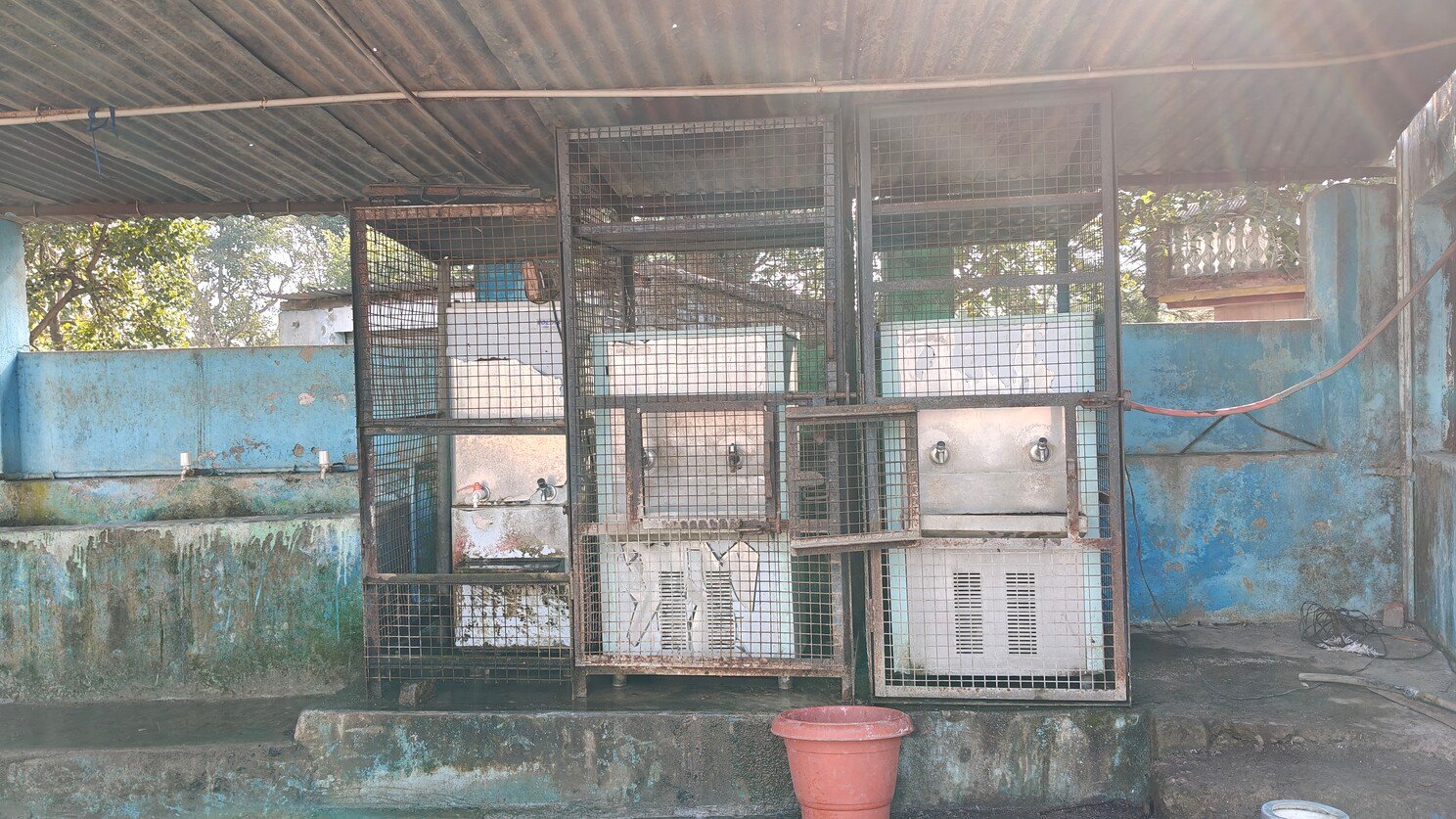
Despite these challenges, the students and teachers continued their educational journey with hope and determination. However, the need for a safer, more comfortable, and engaging learning environment was evident.
Bringing a Change
Recognizing these needs, an assessment was conducted in consultation with the school administration. After discussions with the principal and approval from the Chief Education Officer, a comprehensive intervention was undertaken to strengthen both educational and infrastructural facilities within the school.
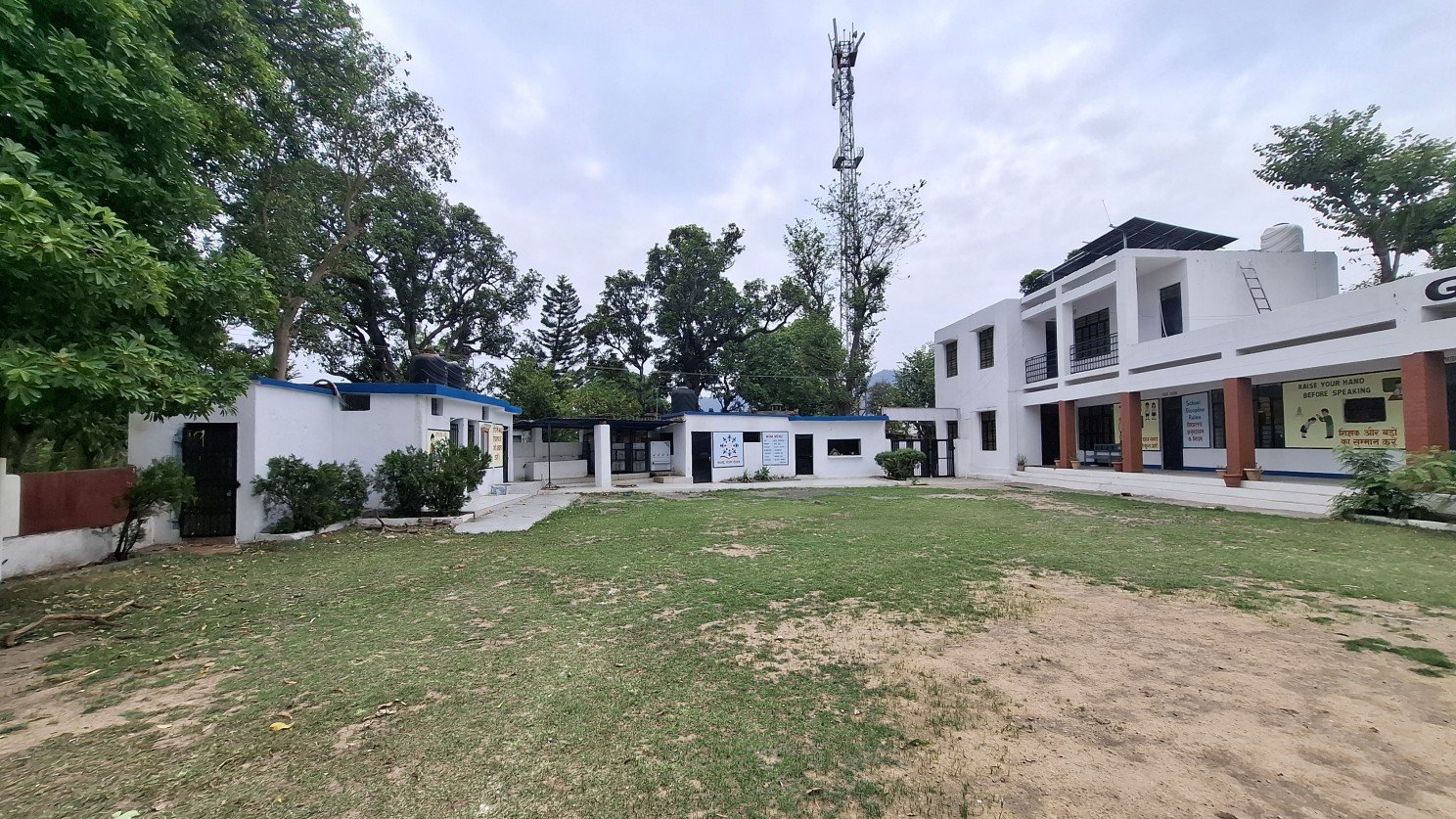
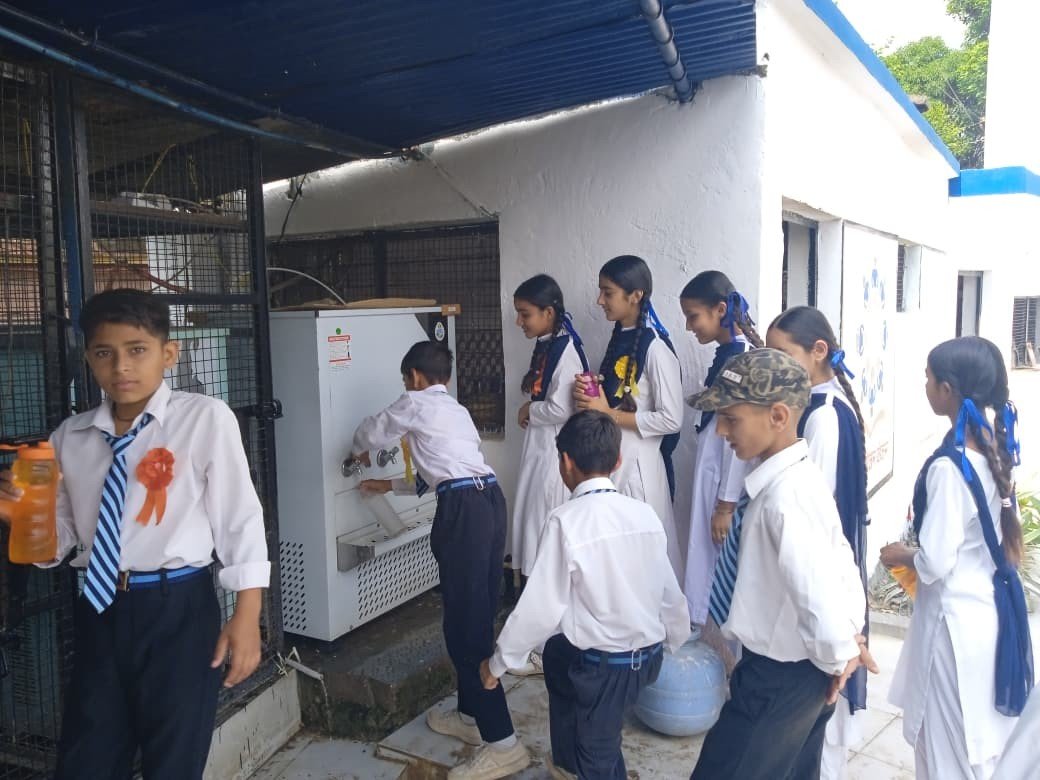
The support transformed multiple aspects of the school environment. A 5 KW solar power system was installed to ensure reliable electricity, while an RO water filter and water cooler provided access to safe and cool drinking water.
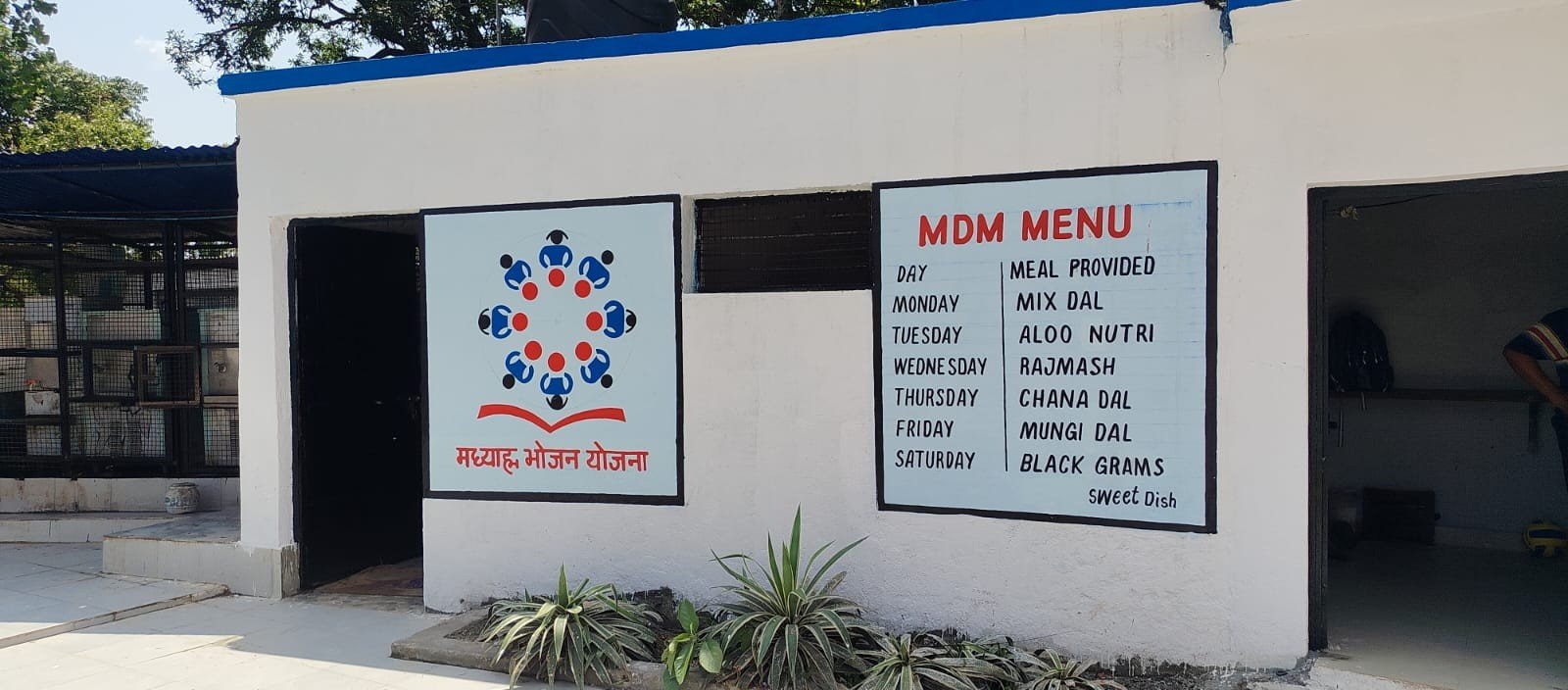
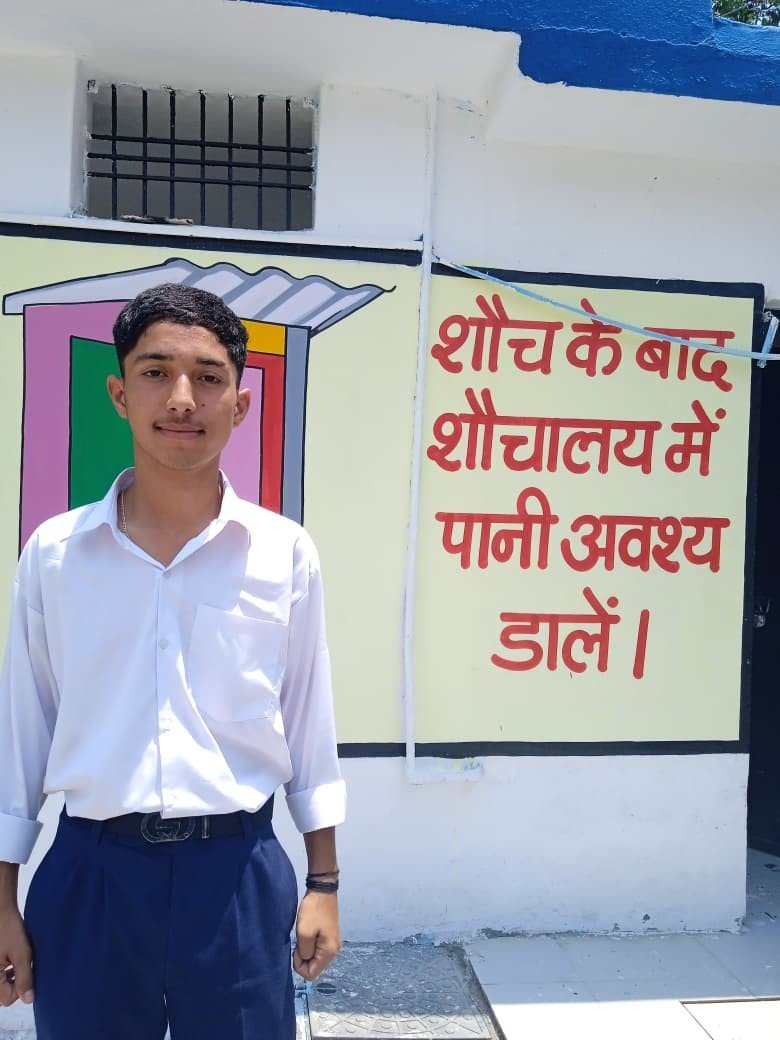
Two smart classrooms were established, and the computer laboratory was upgraded to introduce students to digital learning. Toilets and the kitchen area were repaired and tiled, school buildings were painted and beautified, educational BaLA paintings were created on walls, furniture was provided, and the overall campus surroundings were improved.
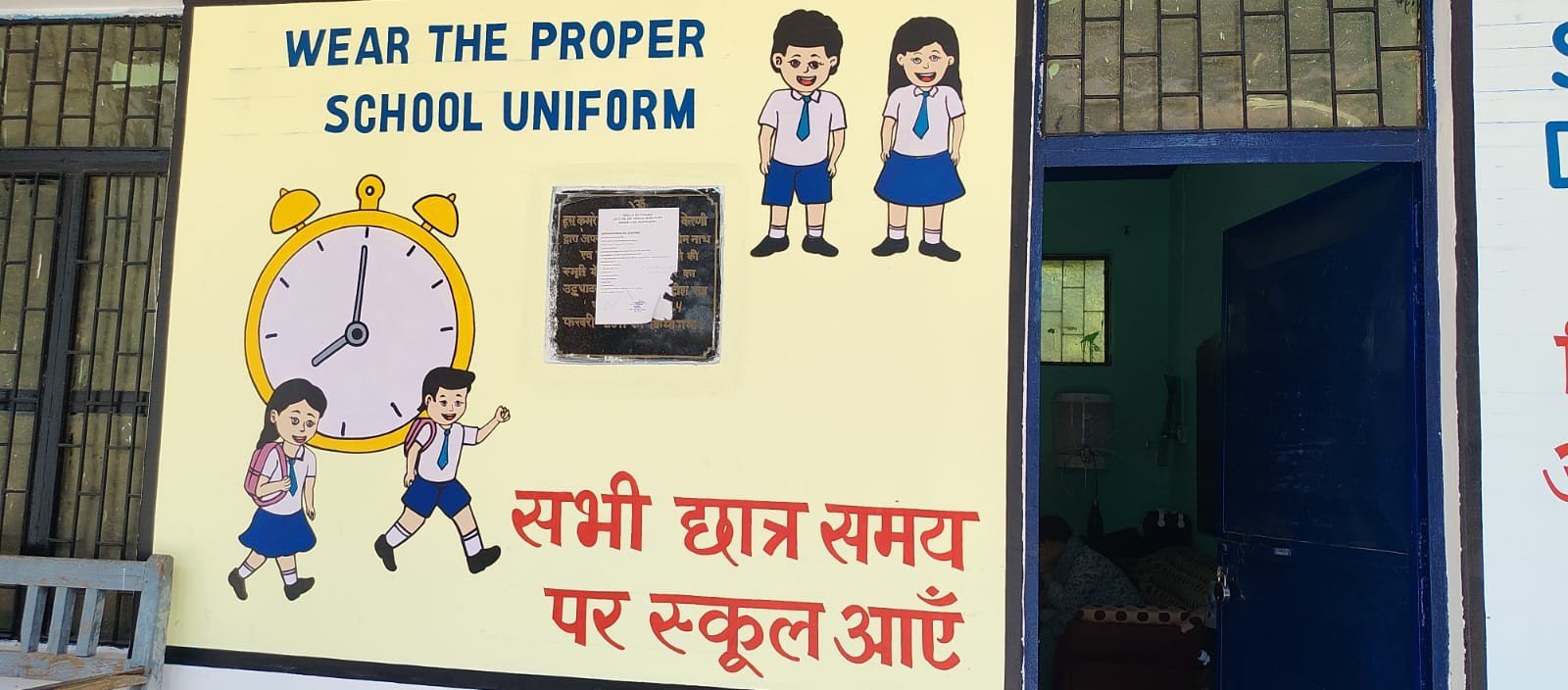
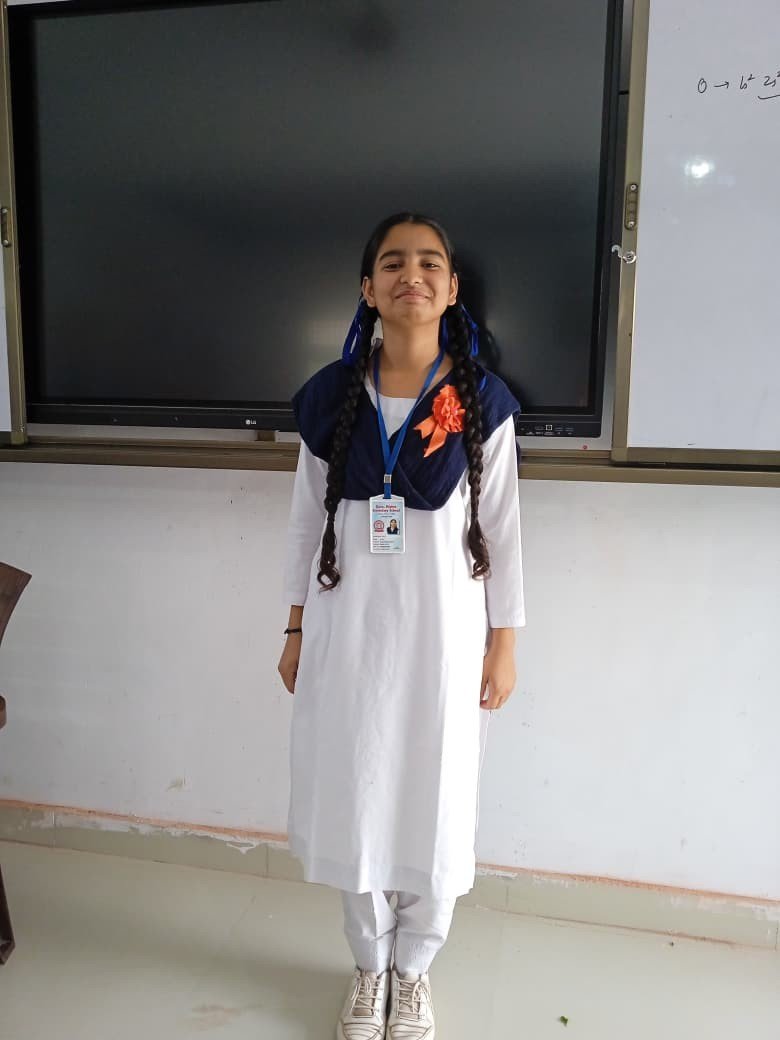
The changes soon became visible in the daily lives of students and staff. What was once a school struggling with basic infrastructure evolved into a cleaner, safer, and more vibrant learning space.
Students who had only studied through textbooks began learning through videos, presentations, and digital tools. Teachers gained the ability to adopt technology-based teaching methods, making lessons more interactive and engaging.
The improvement in sanitation facilities brought greater comfort and dignity, especially for girls. Access to clean and cool drinking water enhances student well-being, particularly during the summer season. The upgraded computer lab helped students build confidence in using digital technology, preparing them for a more technology-driven future.
The Impact
Today, approximately 300 students have access to safe drinking water, while two smart classrooms support digital learning. The upgraded computer laboratory now offers practical computer education through ten computers. The solar power system ensures uninterrupted electricity for classrooms and the computer lab, while four repaired and functional toilets have improved hygiene and convenience. Overall, 255 students and 15 staff members are benefiting from the enhanced infrastructure and educational facilities.
The transformation of Government Higher Secondary School Marapatti demonstrates how improving both educational resources and basic infrastructure can create a positive learning environment. By addressing essential needs alongside modern learning opportunities, the intervention has strengthened the educational experience for students and created conditions that support their growth, confidence and future aspirations.
Related Blogs
Smt. Thapi Devi resides in a village Sundungra located in Uttarakhand, India. She is an abandoned woman. Smt. Thapi Devi has a mentally challenged daughter. She used to work as a daily wage and made
In today's rapidly changing world, the term "carbon footprint" has become a buzzword, and for good reason. The carbon footprint of an individual, organization or even a product reflects the total amo
Teachers truly are the backbone of society. They are role models to children; they offer guidance and dedication to young minds. As mentors, they can form students into future leaders who then form t
In the quiet village of Samraj in Khargone district, Madhya Pradesh, life revolved around the rhythms of agriculture for Rekha Patel and her family. At 35, Rekha shared a modest home with her husband
In rural India, countless individuals possess the skills, determination, and ambition to improve their lives. Yet, many remain unable to move beyond subsistence livelihoods due to limited access to r